Understanding Fabric Weight
From featherlight 110 g/m² cotton voile to robust 320 g/m² flannel, fabric weight determines how a garment moves, drapes, and endures. Understanding weight is the first step toward choosing wisely and building a wardrobe that serves you across seasons.
Fabric weight is measured in grams per square metre (g/m²) or, in the British tradition, ounces per yard. While the numbers may seem abstract, their practical implications are immediate: a 120 g/m² shirting fabric will feel almost weightless against the skin, while a 300 g/m² suiting cloth carries a reassuring substance that speaks to quality.
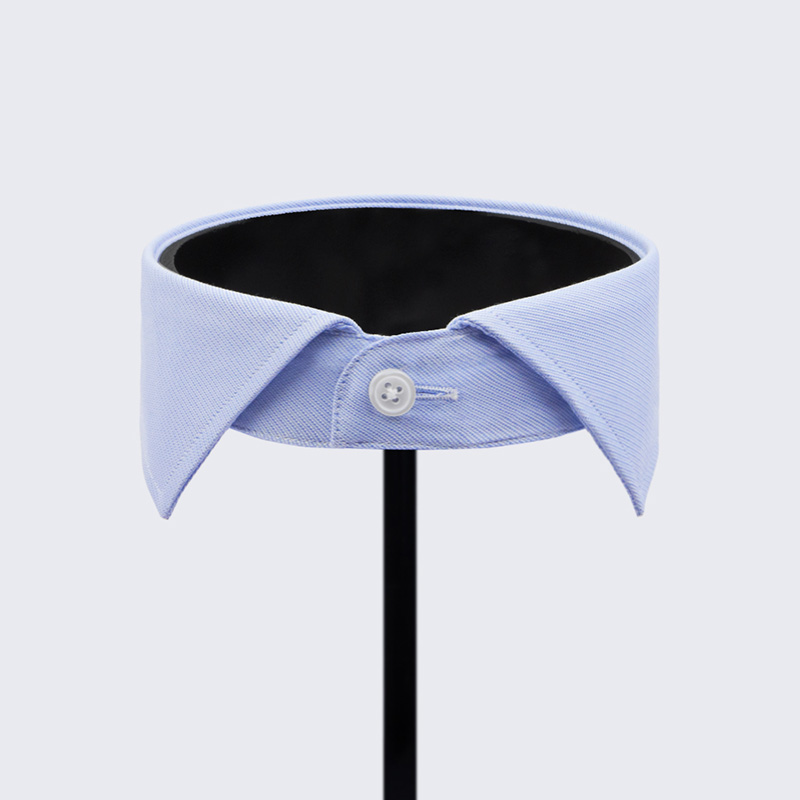
For shirts, we generally work within three weight categories. Lightweight fabrics (100–140 g/m²) are ideal for summer and tropical climates. These include voiles, fine broadcloths, and our lightest poplins. Medium-weight fabrics (140–180 g/m²) form the backbone of most wardrobes — versatile enough for three seasons, substantial enough to hold a collar's shape, and comfortable enough for all-day wear. Heavier shirt fabrics (180–220 g/m²) include oxfords, twills, and flannels — perfect for autumn and winter, or for the man who simply prefers a more substantial hand.
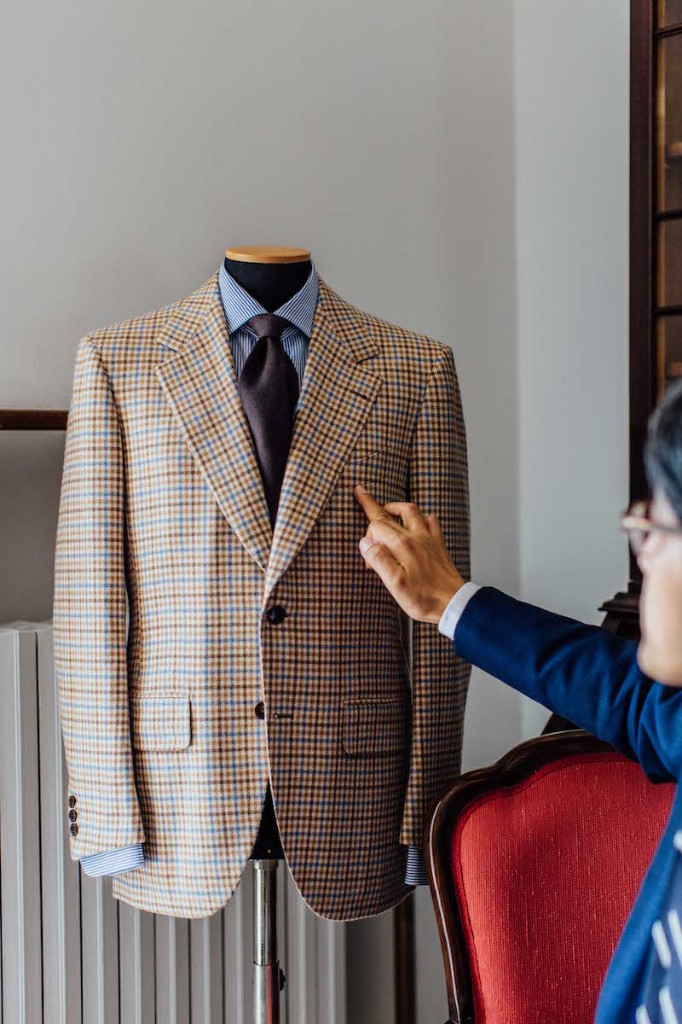
Suiting fabrics operate in a different range entirely. A lightweight summer suit might use fabric weighing 230–260 g/m², offering enough structure for tailoring while remaining comfortable in heat. The classic year-round weight falls between 260–300 g/m² — this is where the majority of the world's finest worsted wools reside, including our Loro Piana Super 150s selections. Winter weights begin at 300 g/m² and can extend to 400 g/m² and beyond for heavy tweeds and overcoatings.
But weight alone tells only part of the story. A 200 g/m² fabric can feel entirely different depending on its weave. A plain weave at this weight will feel crisp and somewhat papery; a twill weave will drape more readily and feel softer to the touch; a satin weave will be smoother still, with a subtle lustre. The fibre content matters too — wool naturally springs back from creases, cotton softens with washing, and linen develops a distinctive texture over time.
At LORO, we guide each client toward fabrics that match not just the season and occasion, but their own instinctive preferences. Some men prefer the reassuring weight of a substantial cloth; others gravitate toward fabrics so light they barely register. Neither preference is wrong — both simply reflect different relationships with clothing, and we respect each equally.